TIMELINE
Jan - May 2026
Team
Tatiana Sy
Dashiell Morgan
Eshanika Sreekanth Urs
skills
User Research
Product Design
3D Modeling
Prototyping
Mentors
Olivia Napoleon
Eva Ahmetaj
Maia Schlussel
Louise Manifredi
Daniel Harris
ENGN 0620: Design Brief
Providence Gardenworks Composter
Providence Gardenworks’ current composters are not animal-proof or user friendly and require a lot of modification.
problem
Create a mass-manufacturable, animal-proof, and accessible composter that can be given to customers straight from the box.
objective
client requirements
Animal-proof features at all points of access (lid, door, bottom grate).
Mid-height door to scoop out compost.
Holes for ventilation that don’t attract animals.
Easy to assembly and manufacture.
Because we were modifying an existing model we weren’t able to exercise as much creativity in the larger form of the compost bin.
notes
ideation
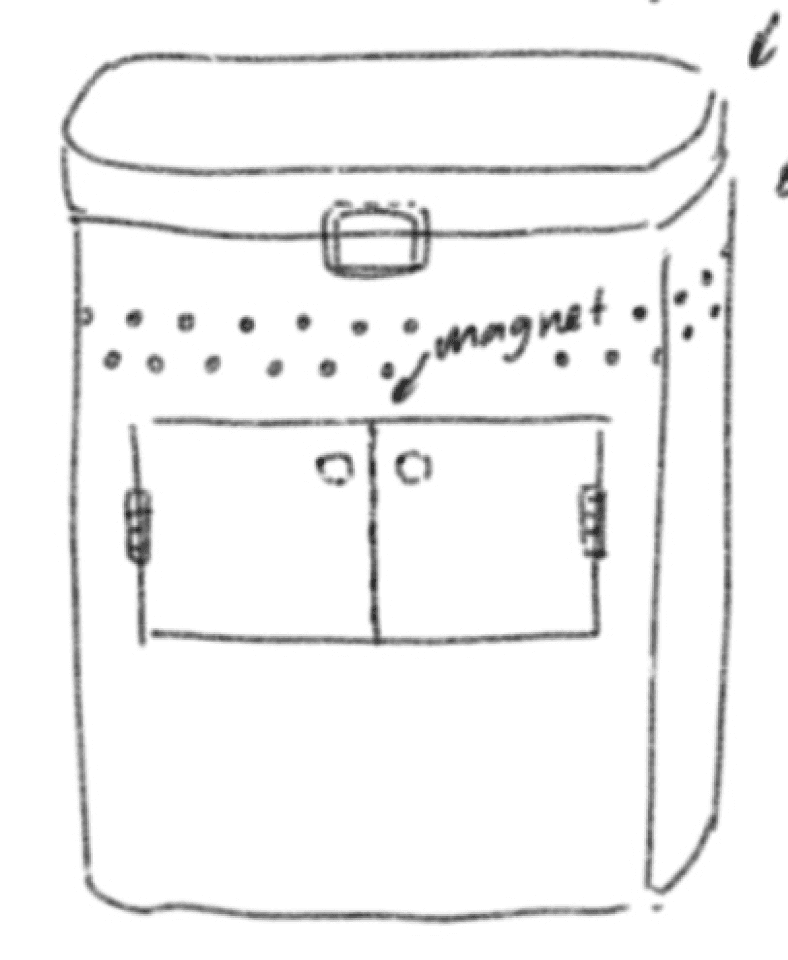
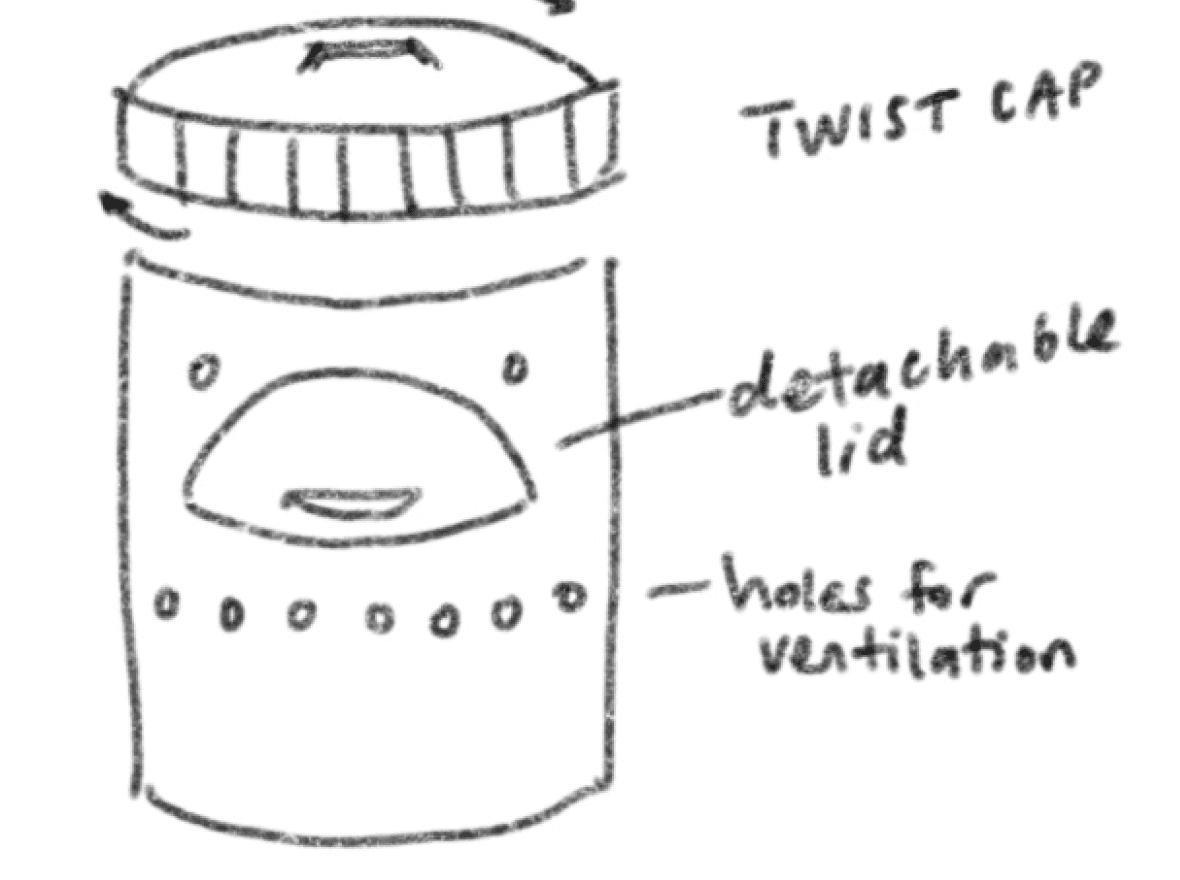
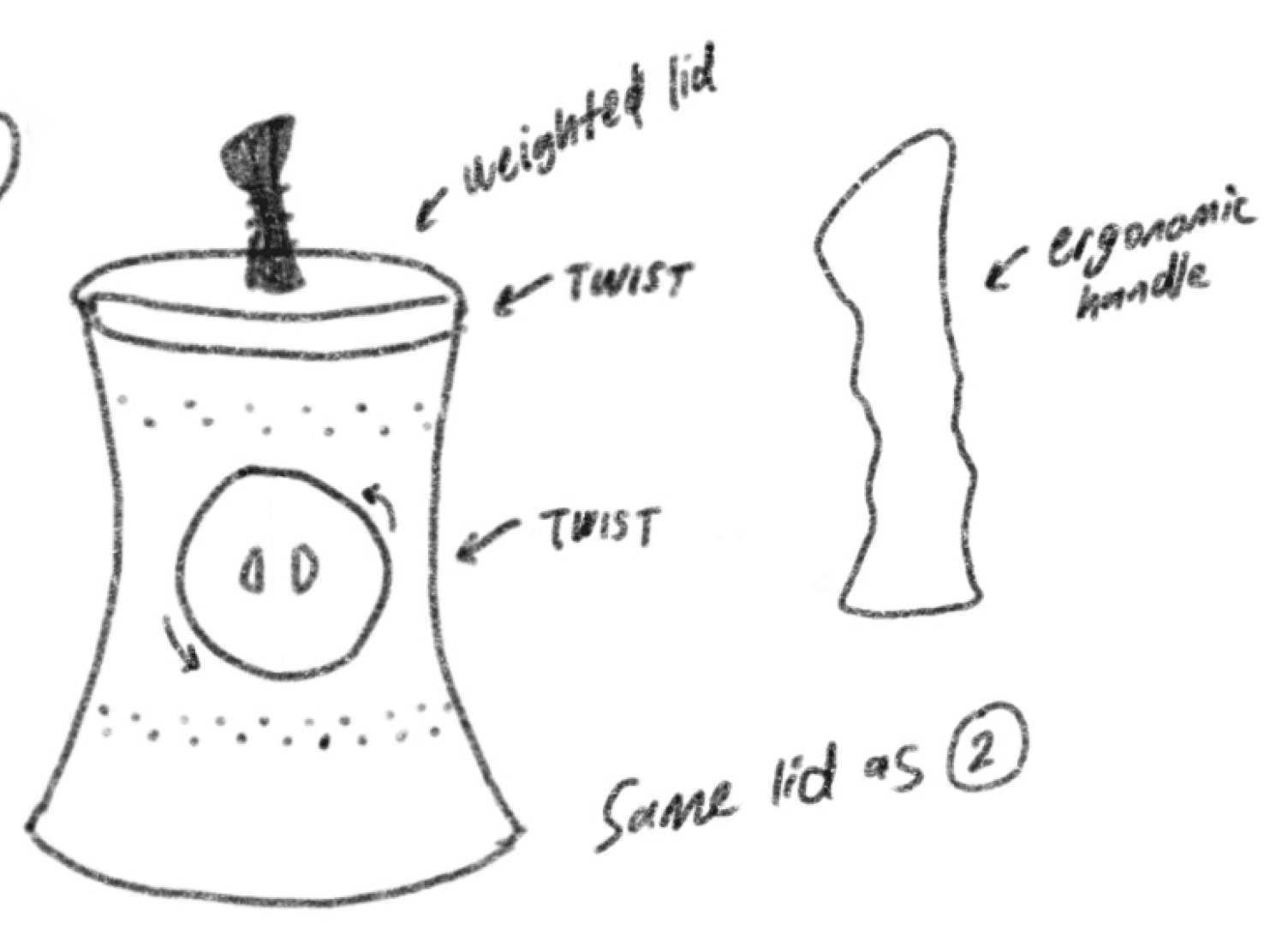
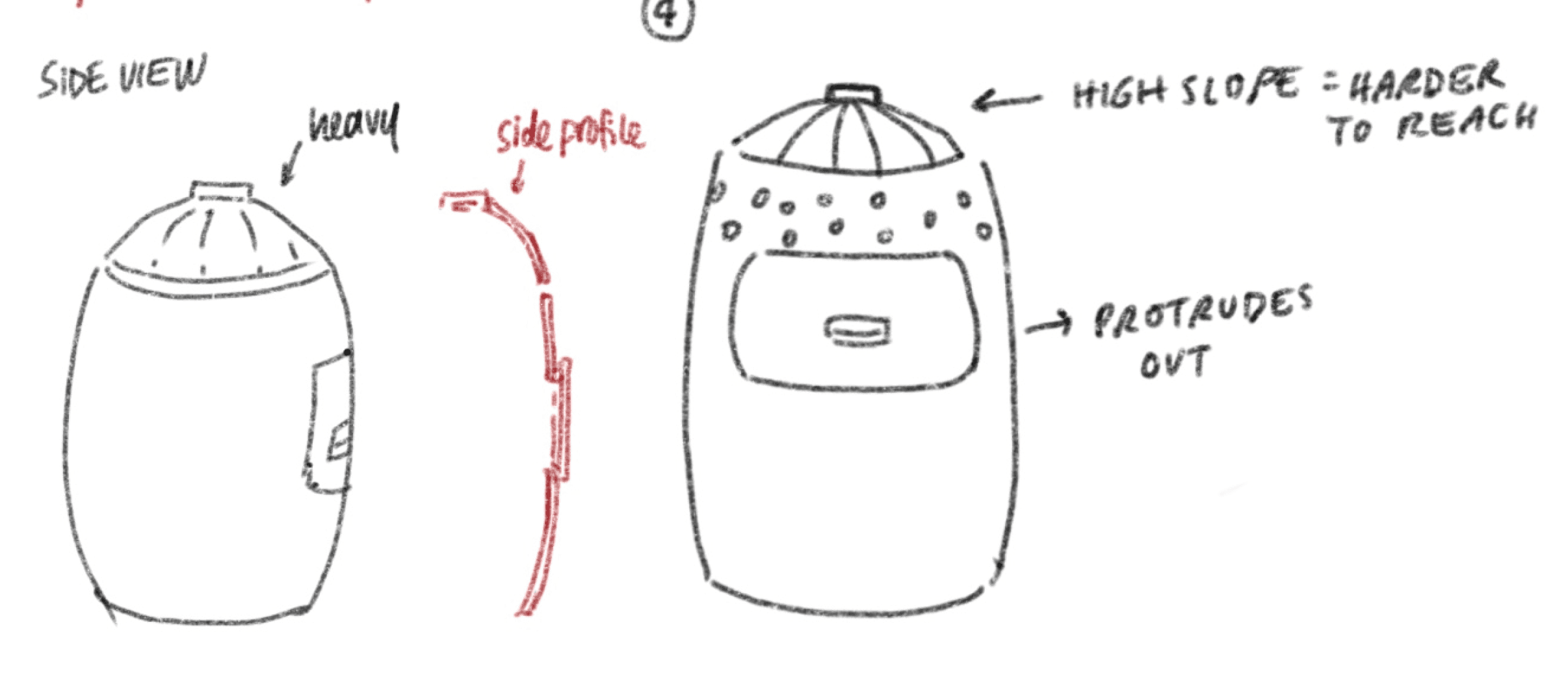
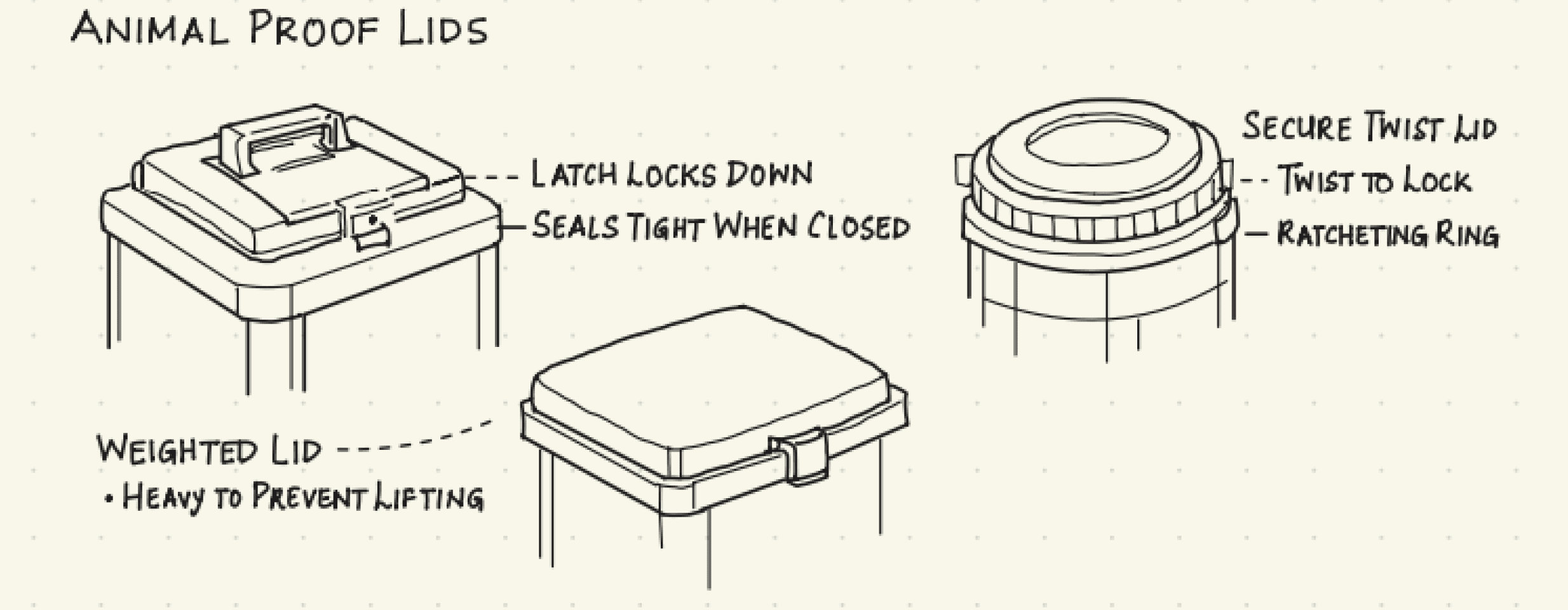
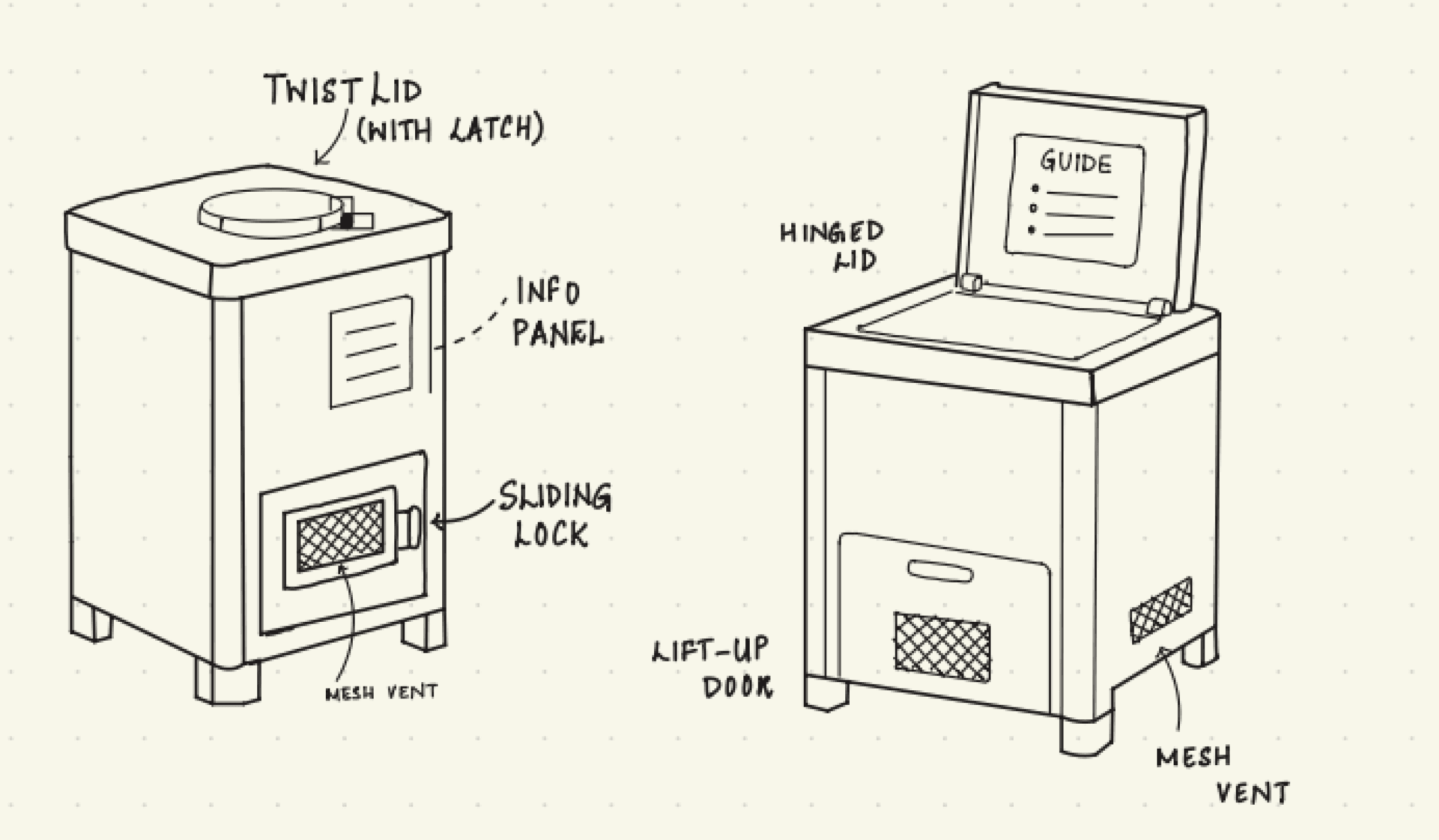
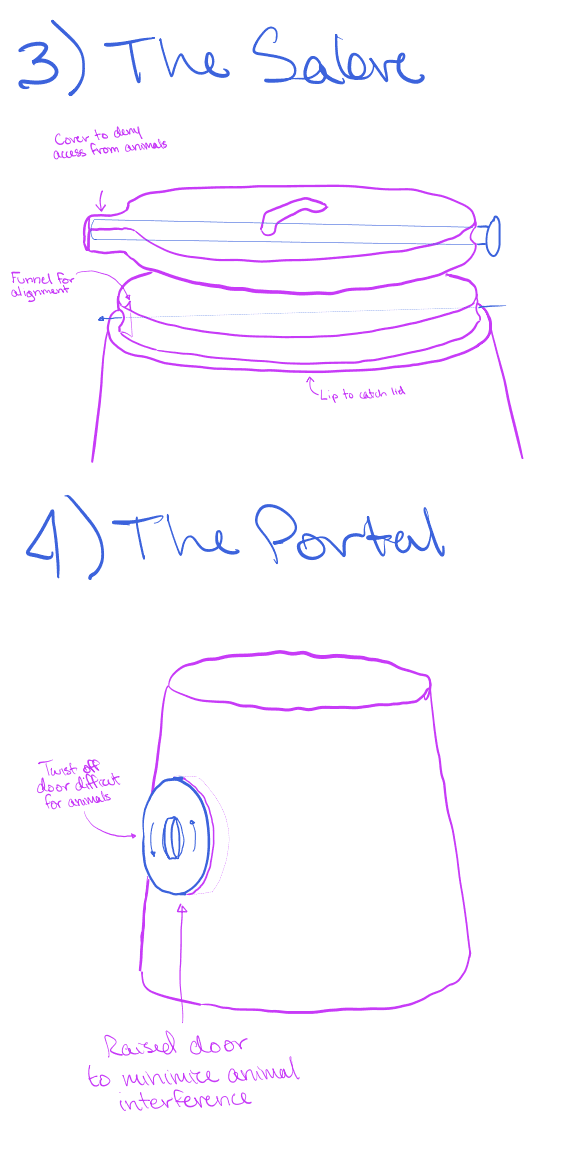
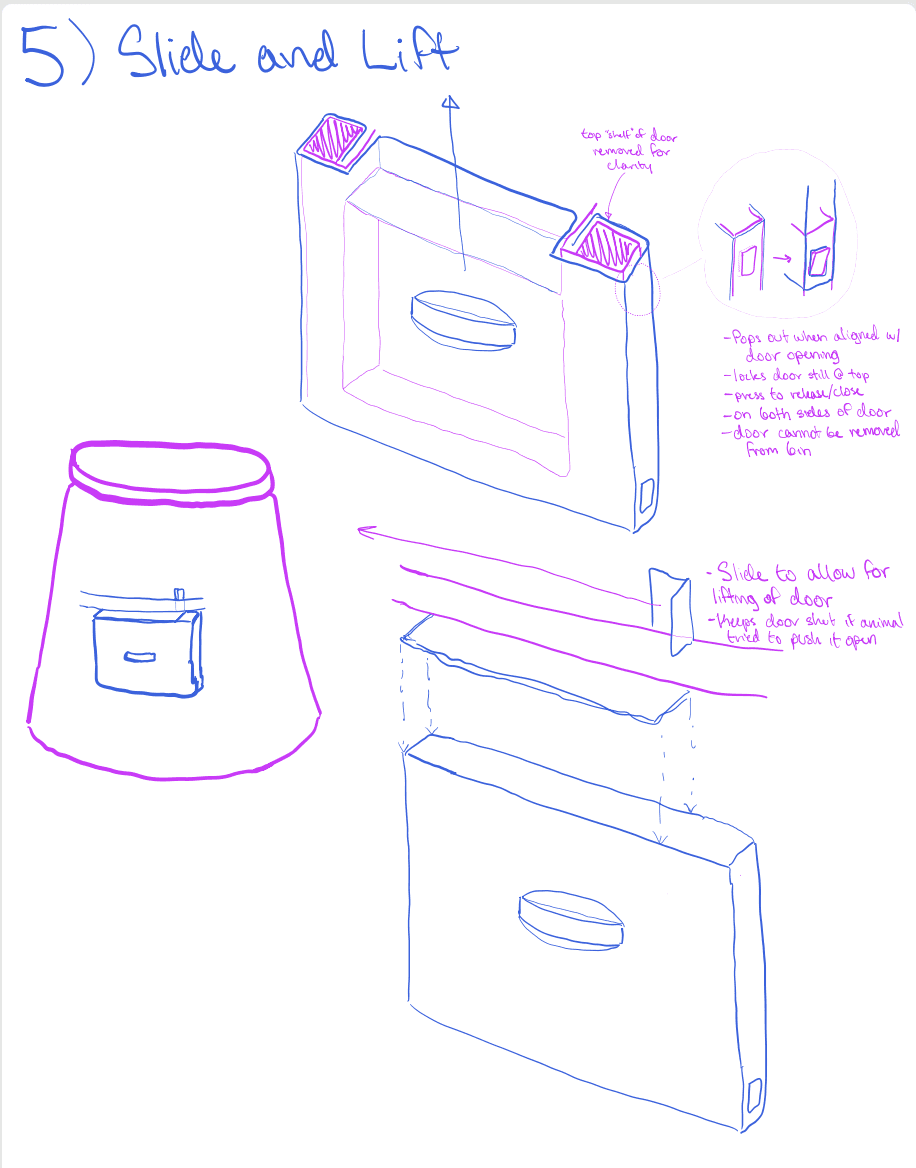
My teammates and I each created 3 user research journey maps which led to 3 preliminary sketches- adding notes for function and intended use.
User 1
User 2
User 3
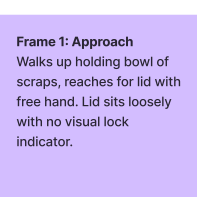
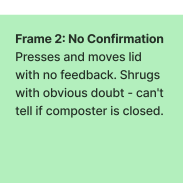
Average adult, mid-30s, carrying kitchen scraps
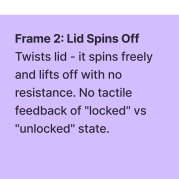
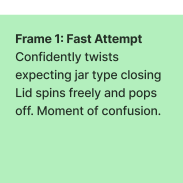
Young adult, early 20s, fast instinct-driven
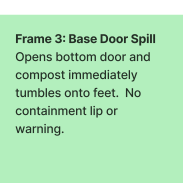
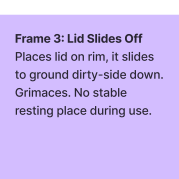
Wheelchair-bound user, methodical
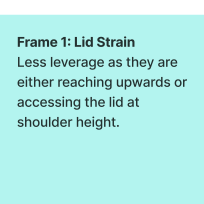
Lid needs controlled tightening motion + designated slot so user doesn’t have to hold it.
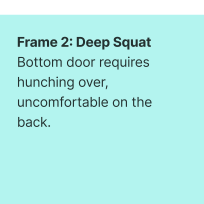
Lid needs tightening feedback, not just placement. Door needs spill containment + mid-height relocation.
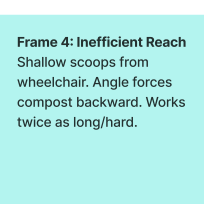
Bottom access = ergonomic failure at most heights. Mid-height door + containment lip required.
Tatiana Sy
Dashiell Morgan
Eshanika Urs
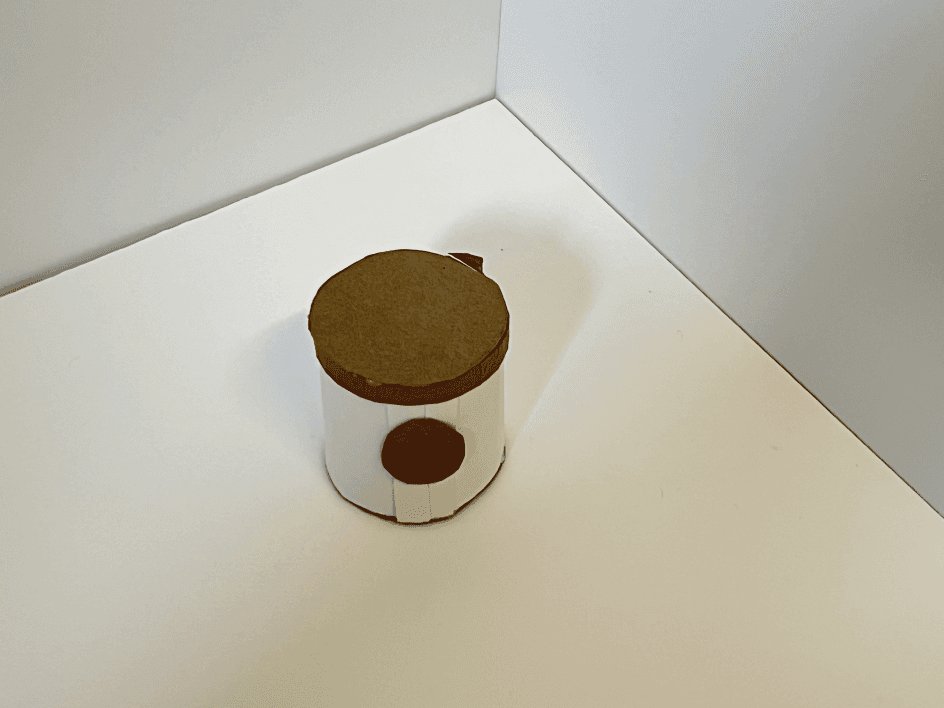
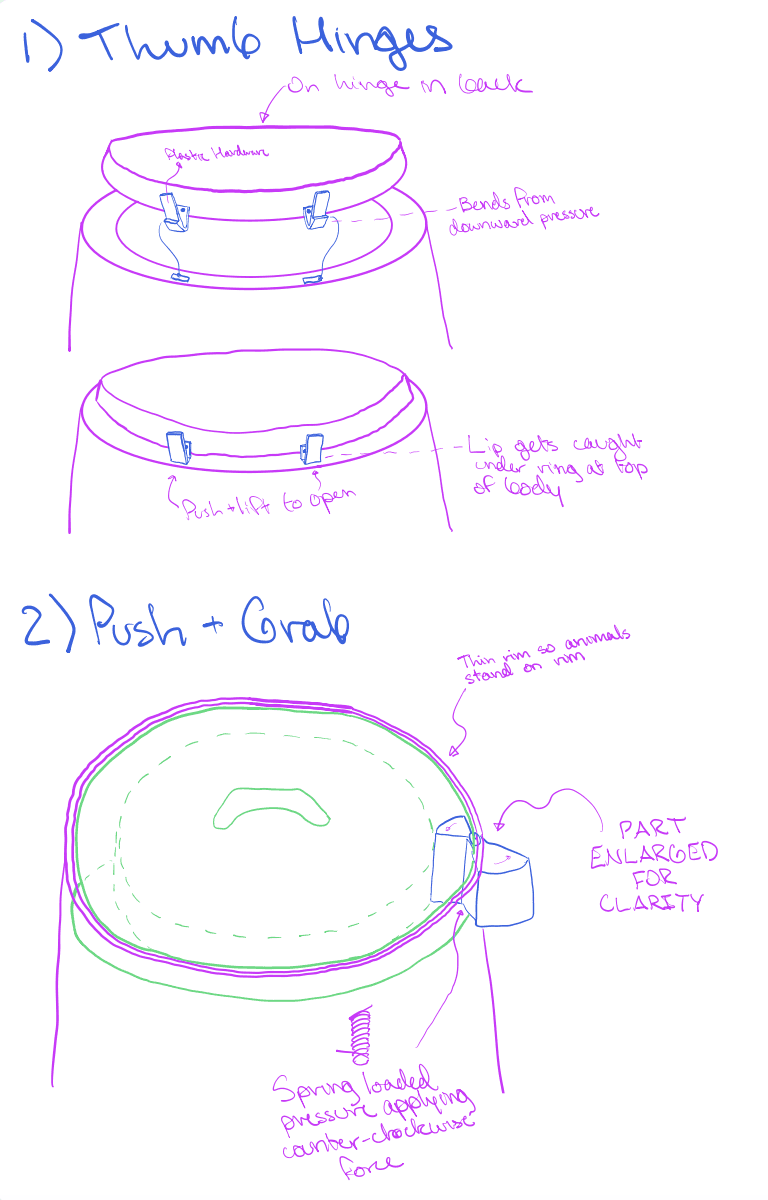
We focused on different lid mechanisms and were inspired by simplified Japanese lids.
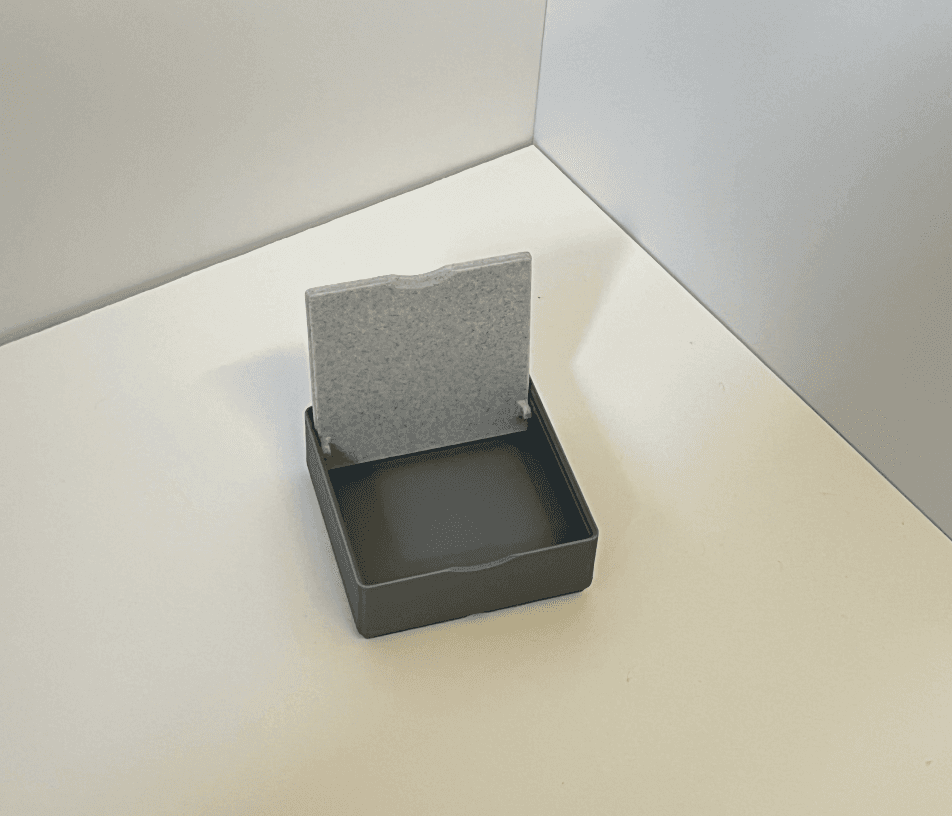
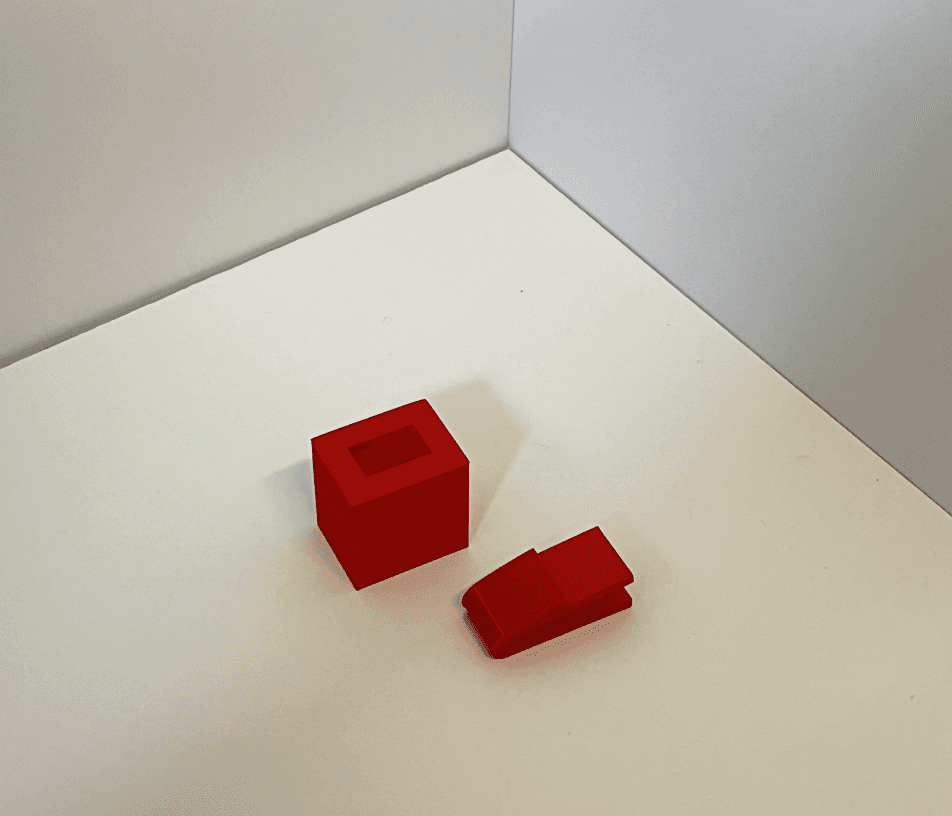
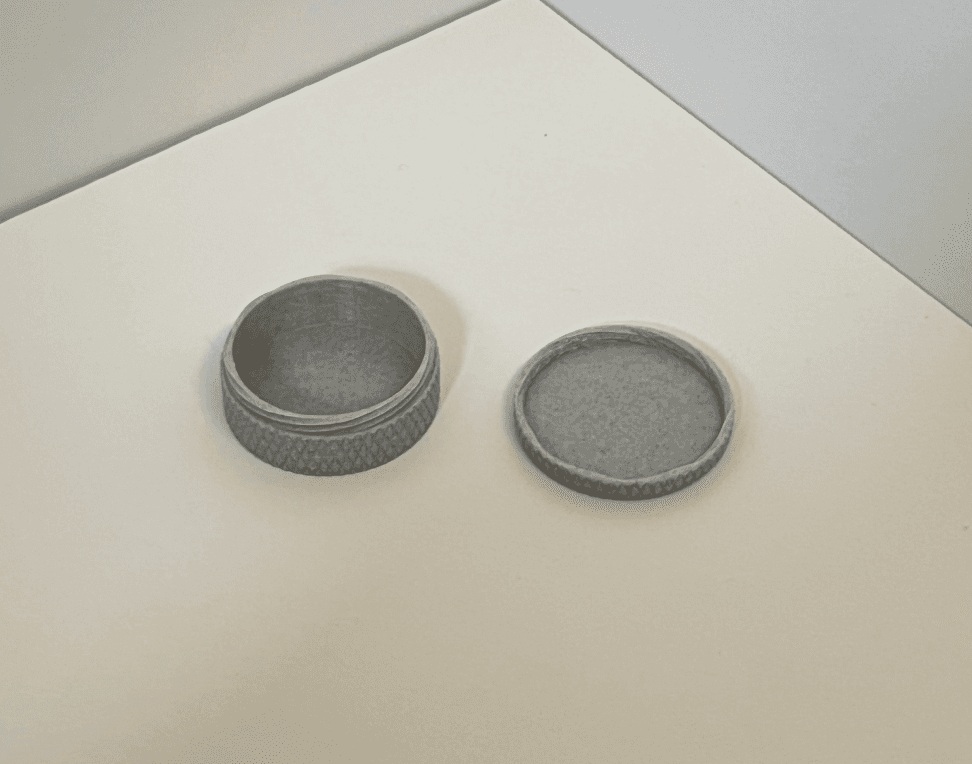
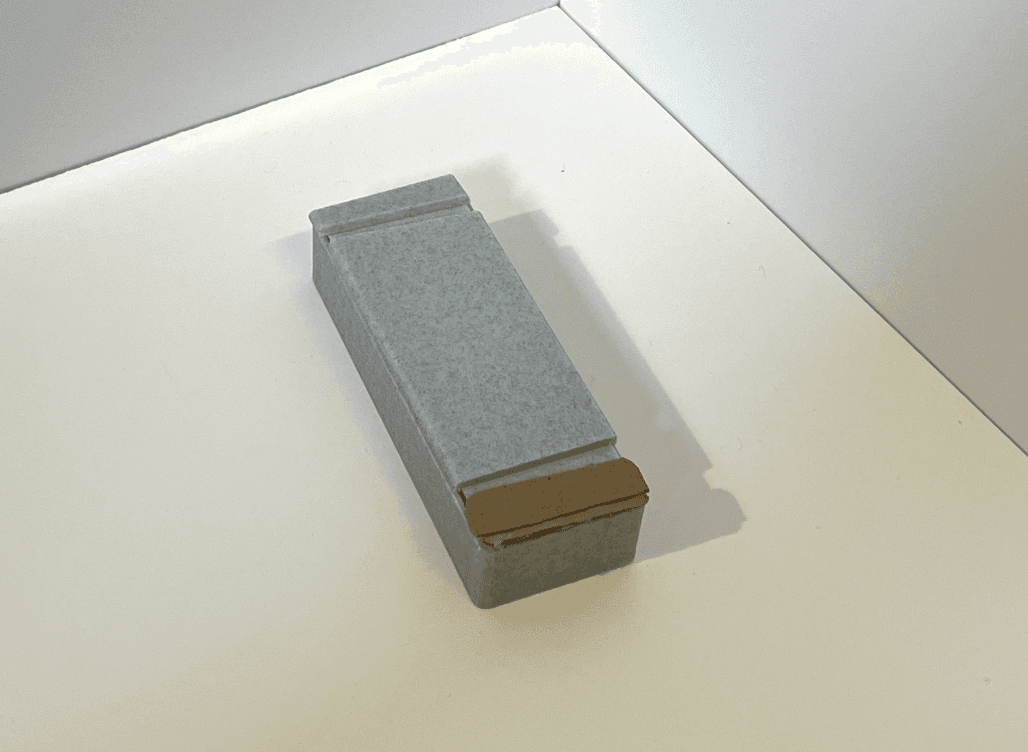
prototyping round 1
We made one looks-like prototype while the rest focused on the lid
Client Feedback: He wanted to minimize the amount of parts needed to optimize manufacturing and environmental cost and reminded us that the door would also need a secure mechanism.
prototyping round 2
Note: Due to some misalignment, we were unable to make a finalized prototype
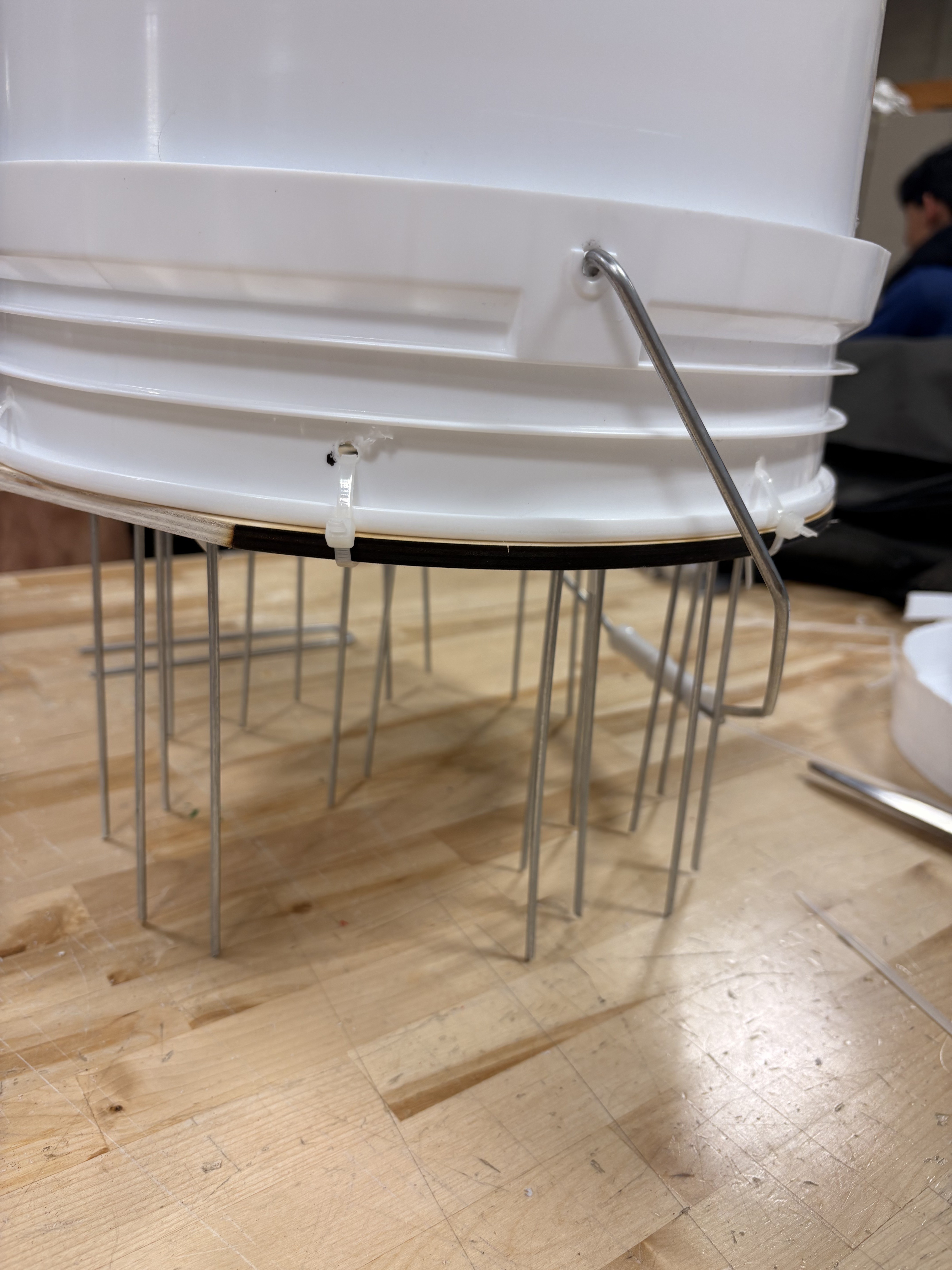
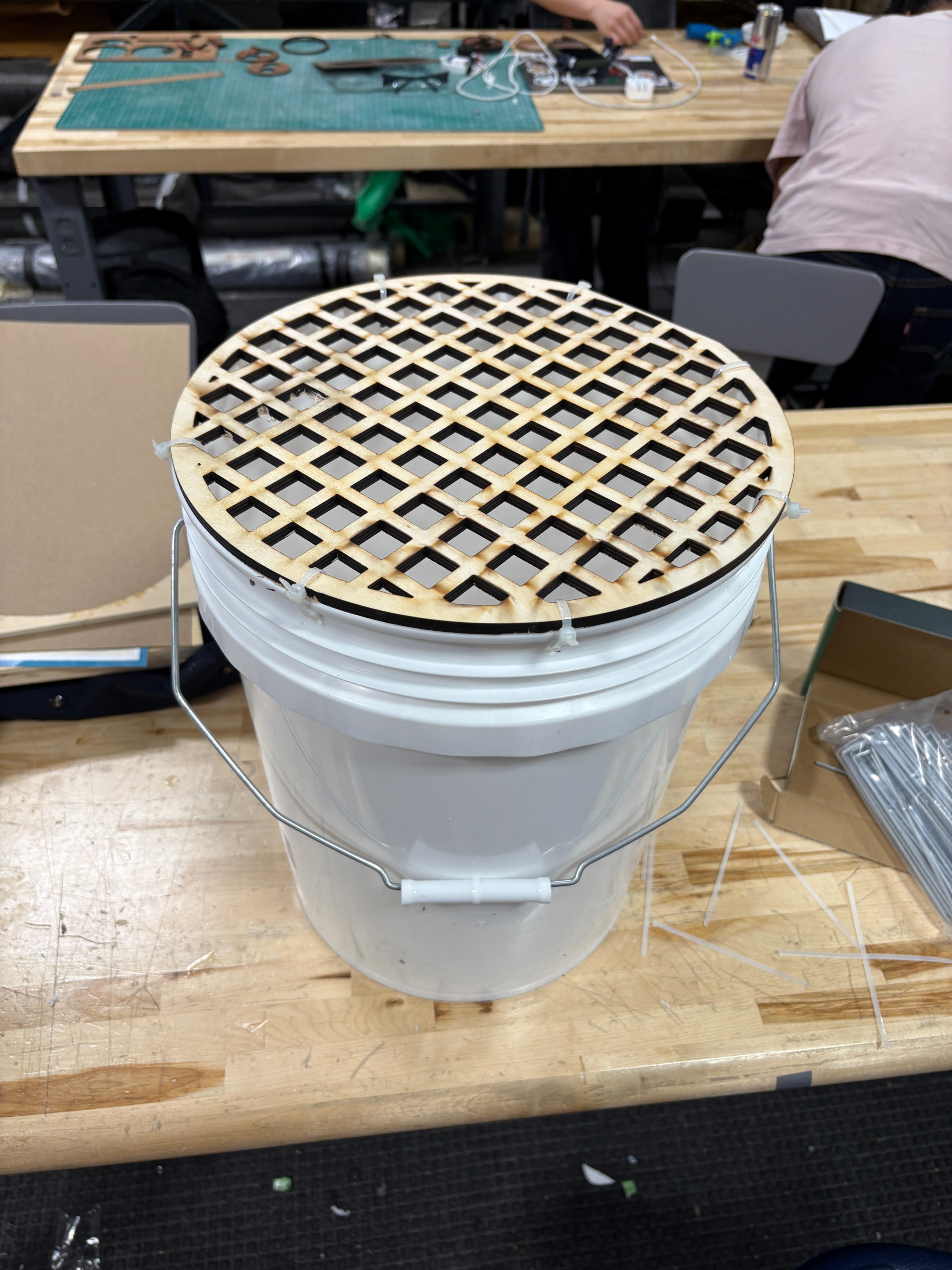
The worm grate was made through laser cutting
Client Feedback: A circular door would limit access, while the snap on door might lose structural integrity over time. The spikes also only need to be on the circumference of the worm grate. He also asked for handles and lowered air vents.
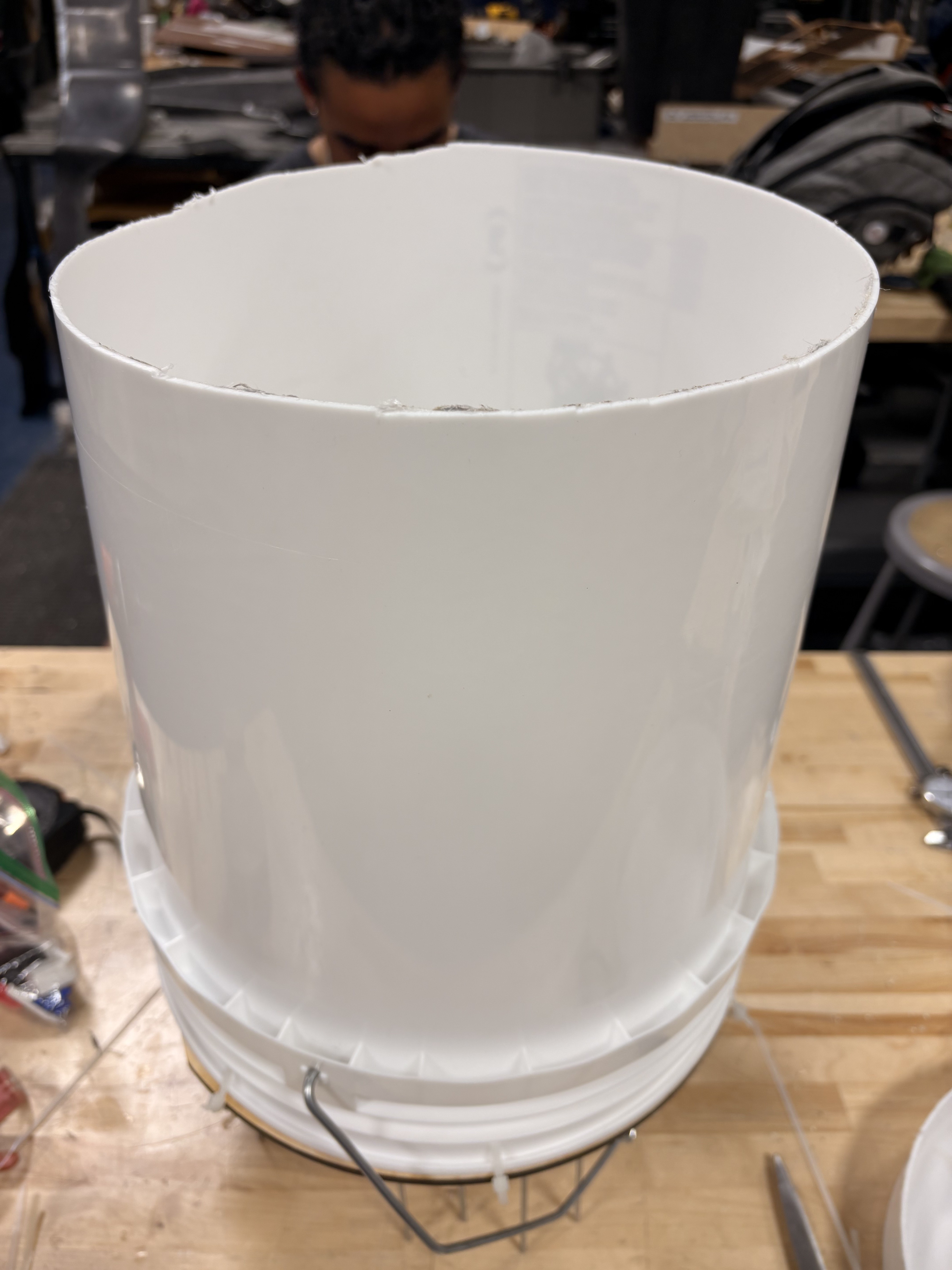
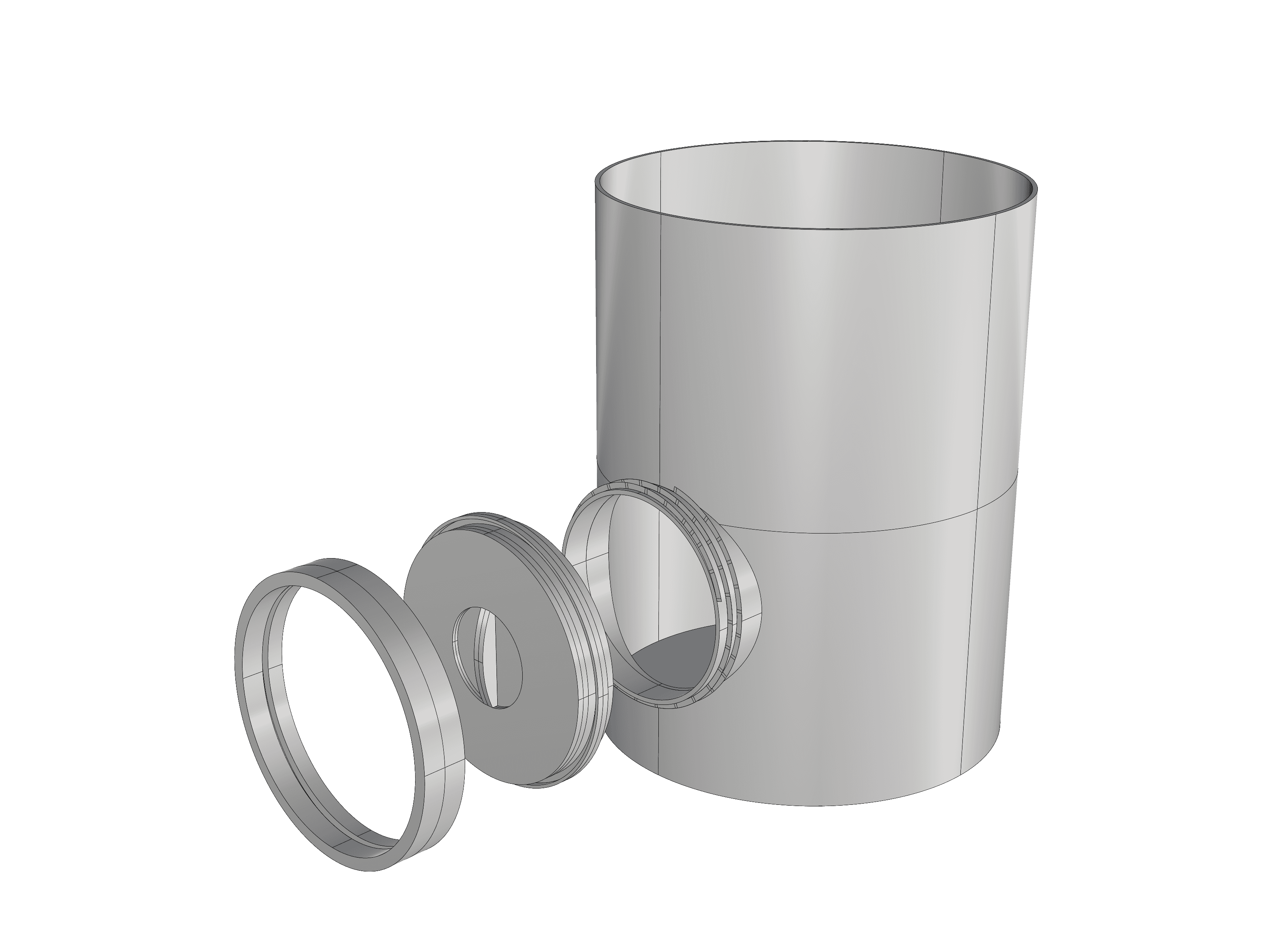
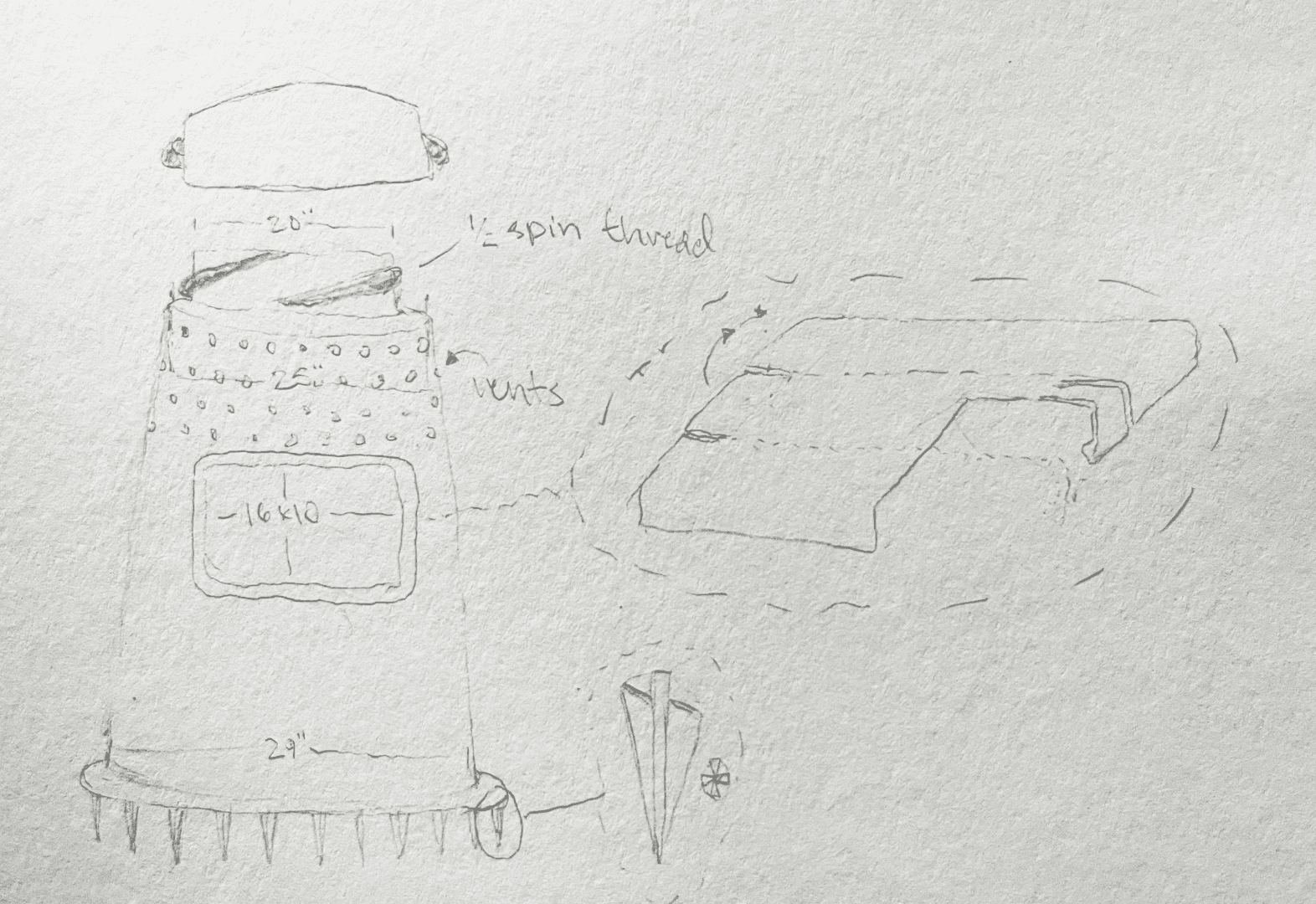
Portal door mechanism -->
ideation round 2
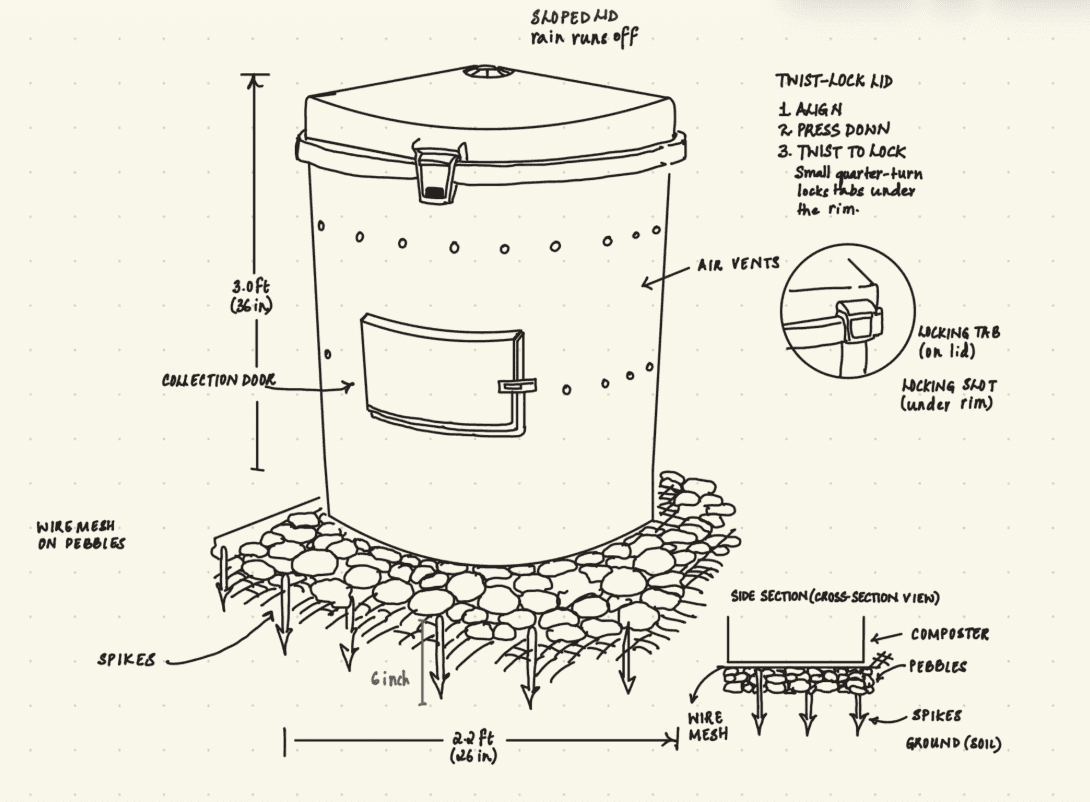
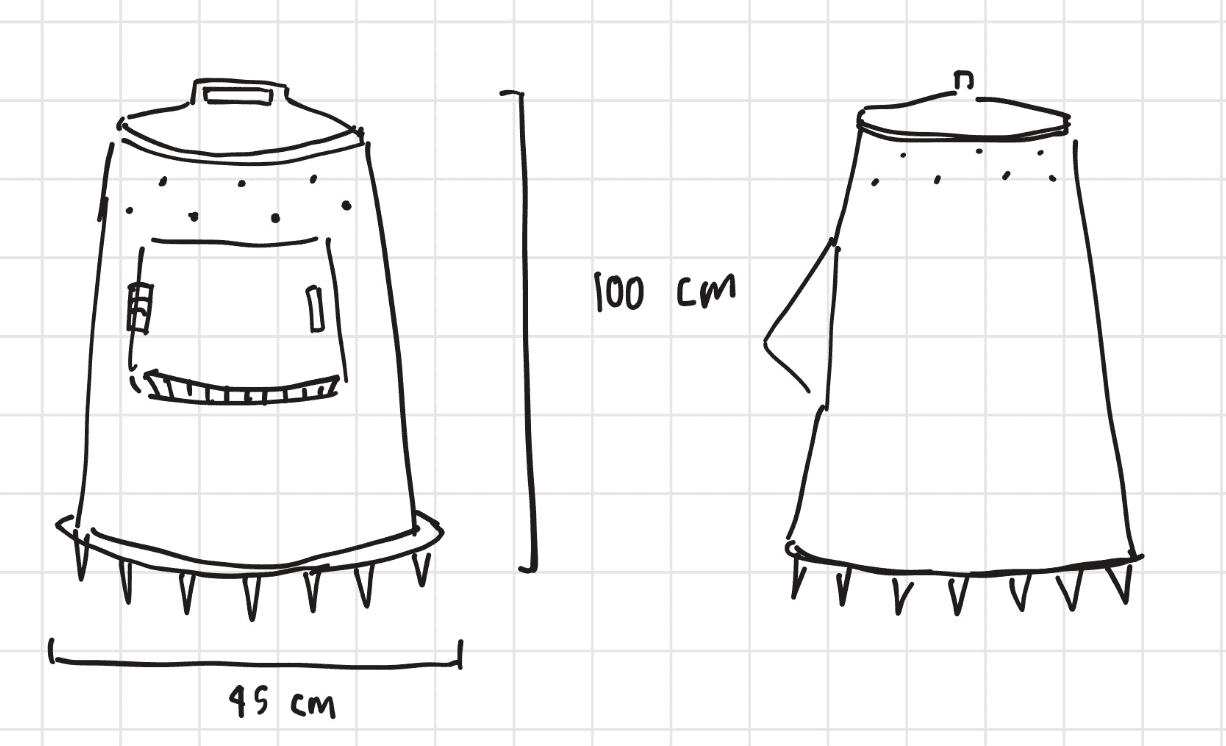
After feedback from Stewart and our Professors we focused on modeling the composter after Stewart’s existing model. We added spikes, a mid height door, and a domed lid with a handle.
Engineering- boiling water test
location: The garden outside Barus and Holley.
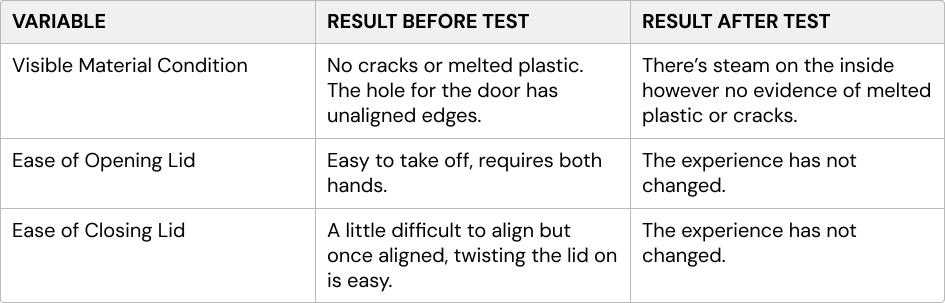
method: A pot of boiling water (100 C) was placed on a box within the composter to mimic the high levels of heat compost can reach.
type of test: Durability.
criteria for success: The lid remains easily to use, with no signs of cracks or melted/compromised components throughout the composter.
results: The composter stayed relatively the same, probably due to the large amounts of vents throughout the body.
**Notes: Due to our unfinished round 2 prototype, we conducted the engineering and user testing on the 3rd round prototype.
design- user testing
location: Brown Design Workshop, Prince Lab, 222A
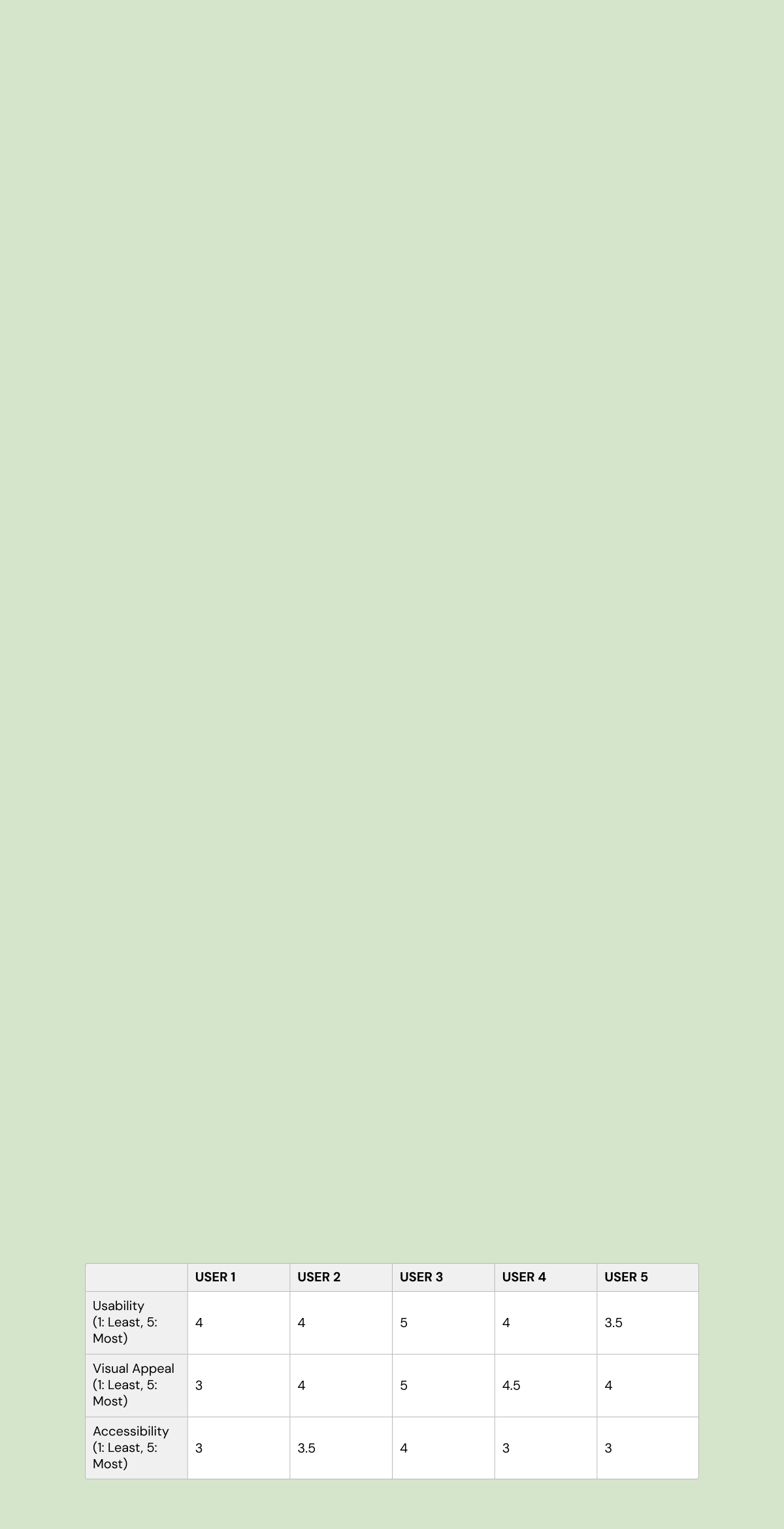
method: 5 users were given unhindered access to the compost bin and asked to interact with it as if they were composting. They also did a pre and post survey.
type of test: Usability.
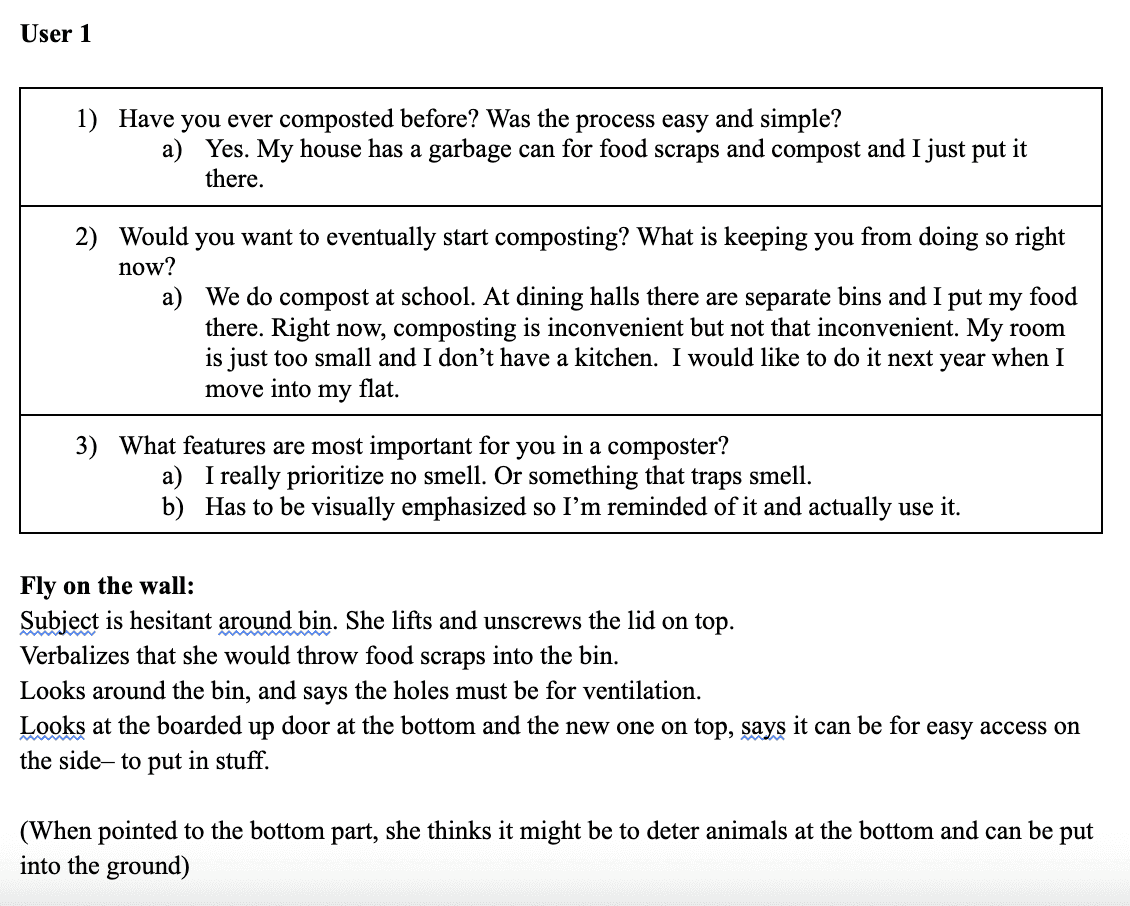
Sample Data:
prototyping round 3
We sawed out a hole to fit the door
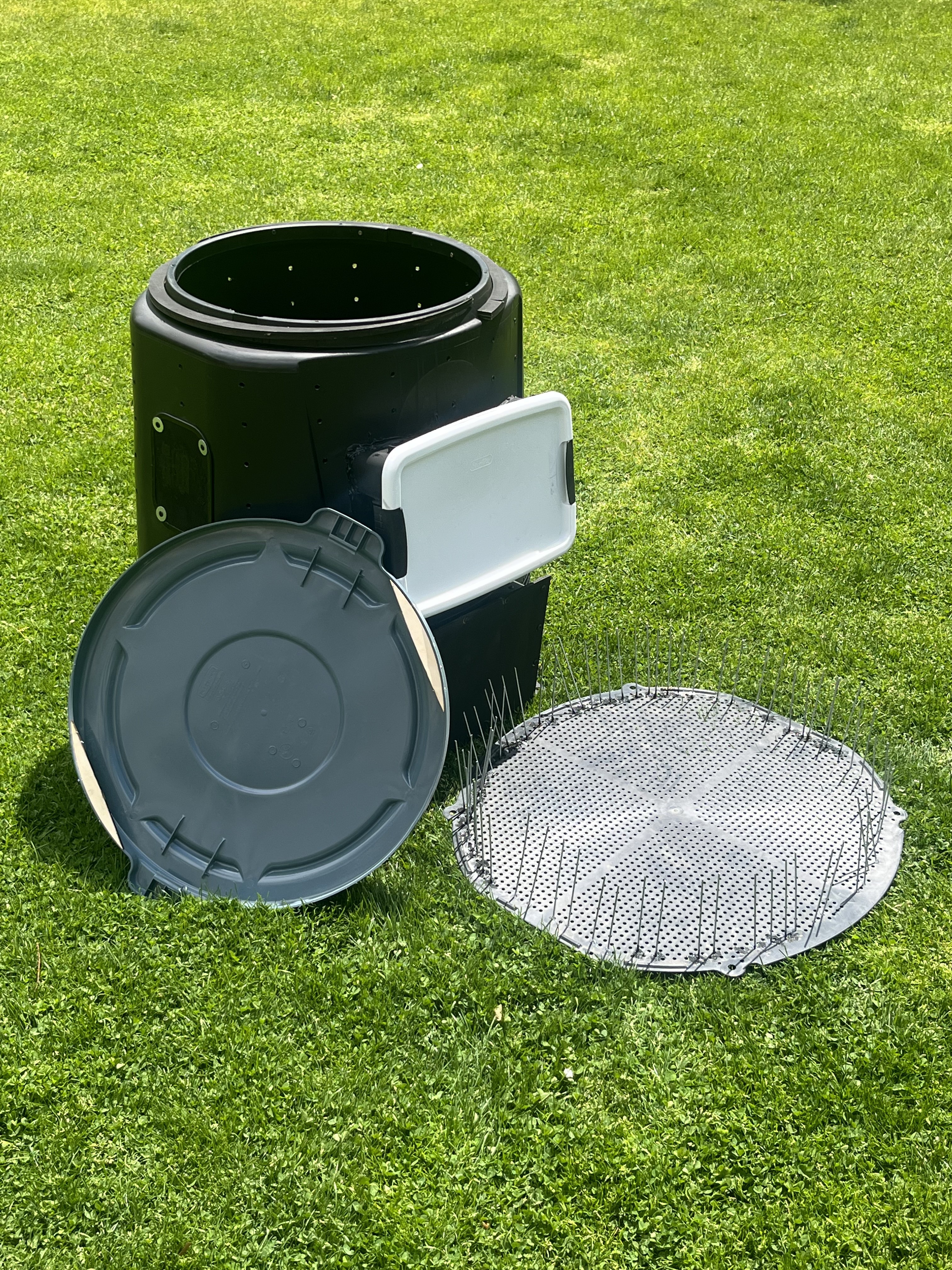
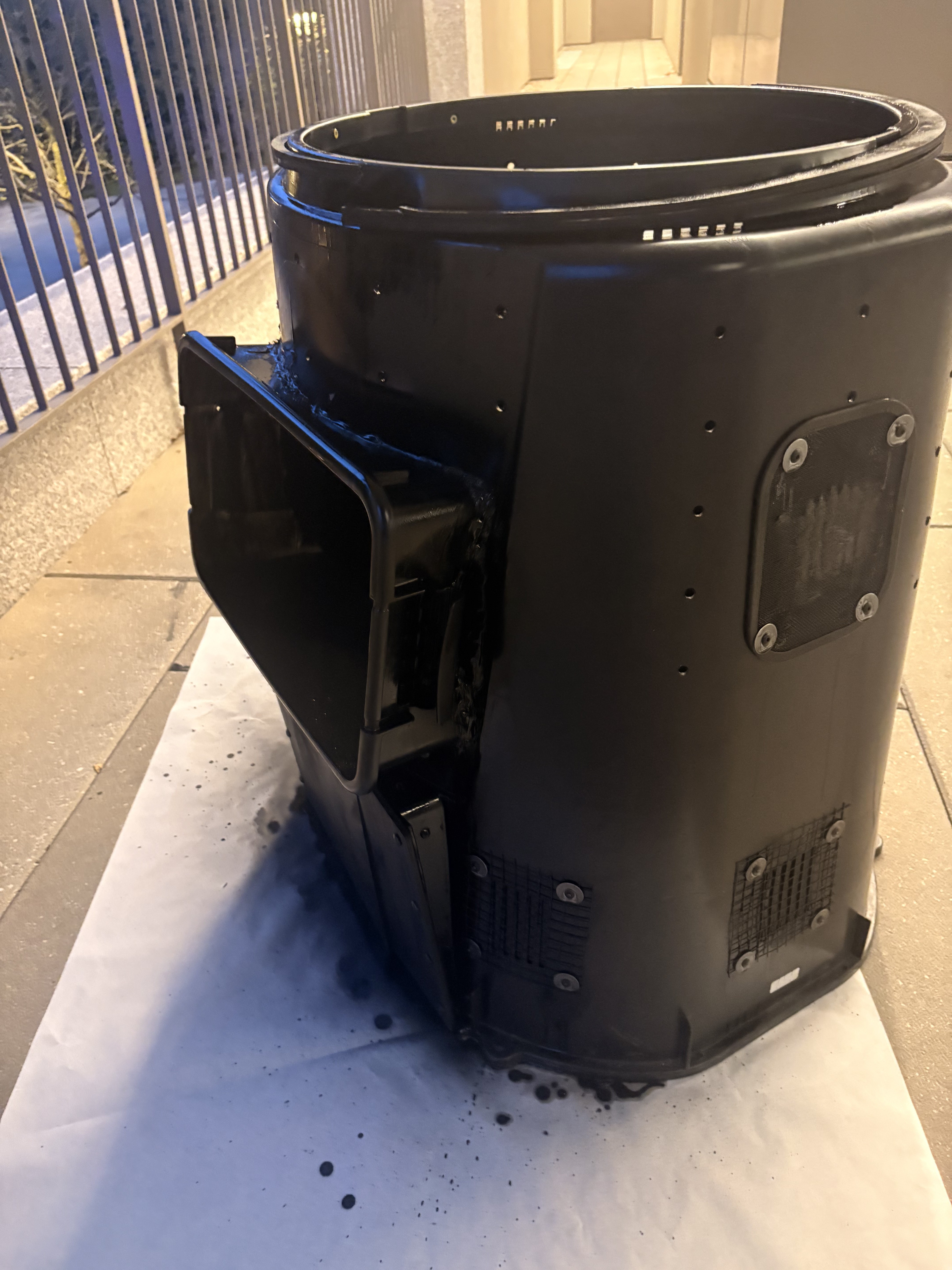
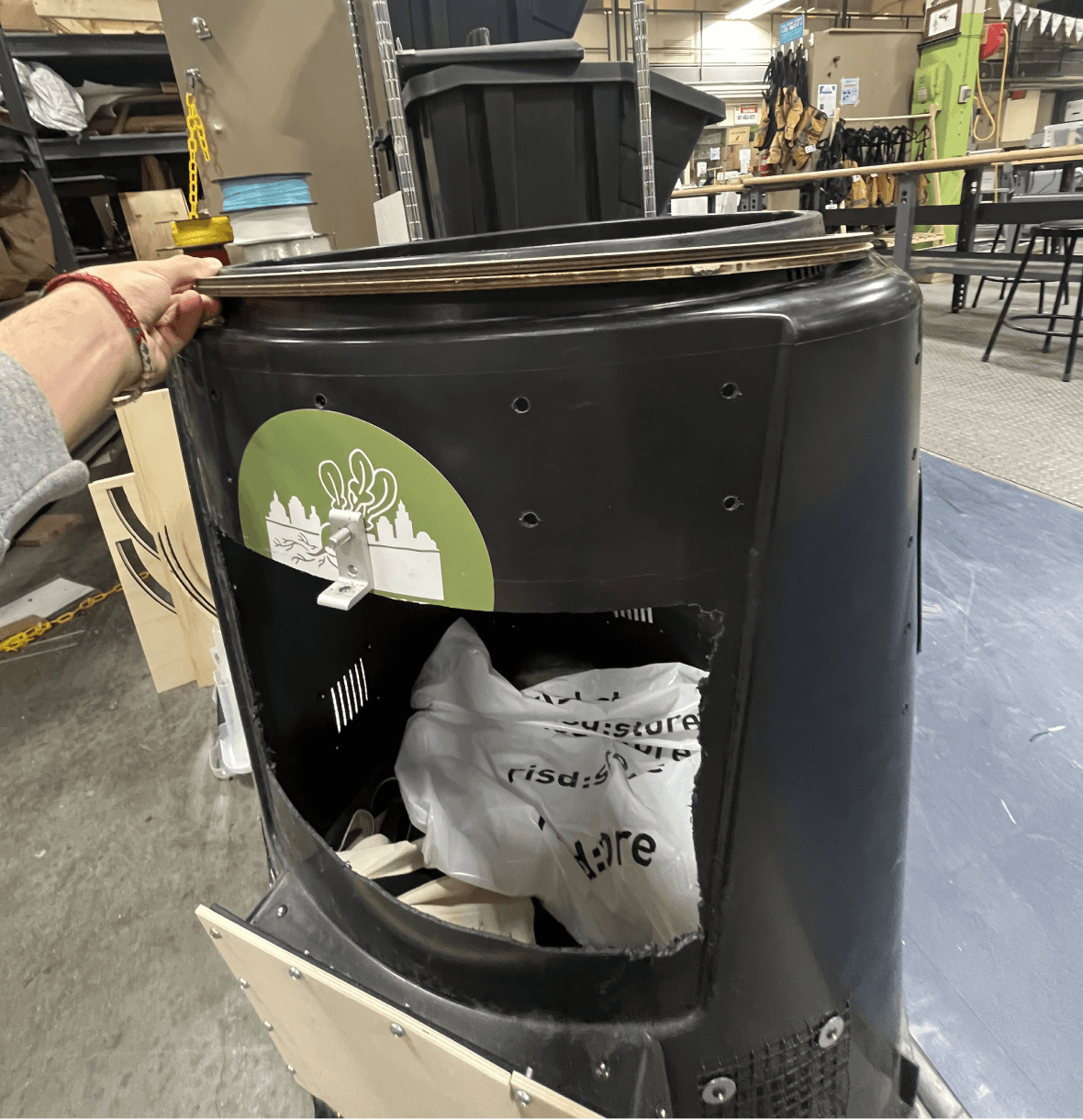
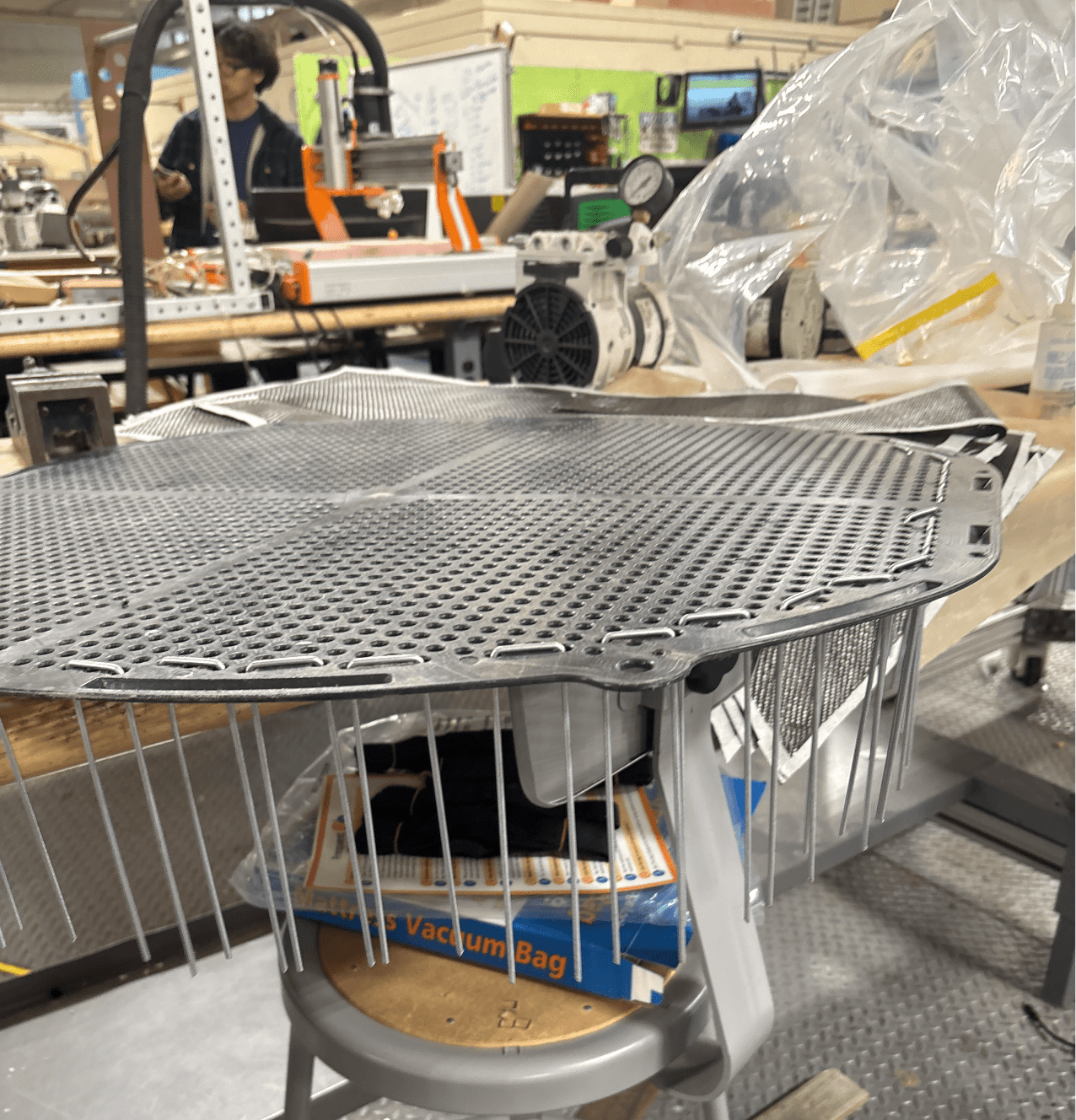
We placed garden stakes into the worm disc and secured them with silicone-- eventually used hot glue and zipties after silicone didn’t work
We spray painted the bin black for aesthetic value.
We drilled out evenly spaced holes higher above the door to keep it out of reach from animals.
Key features:
Twist-on lid with outer threads
Two handled lid
Worm grate with garden spikes
Snap-on mid-height door
Air vents
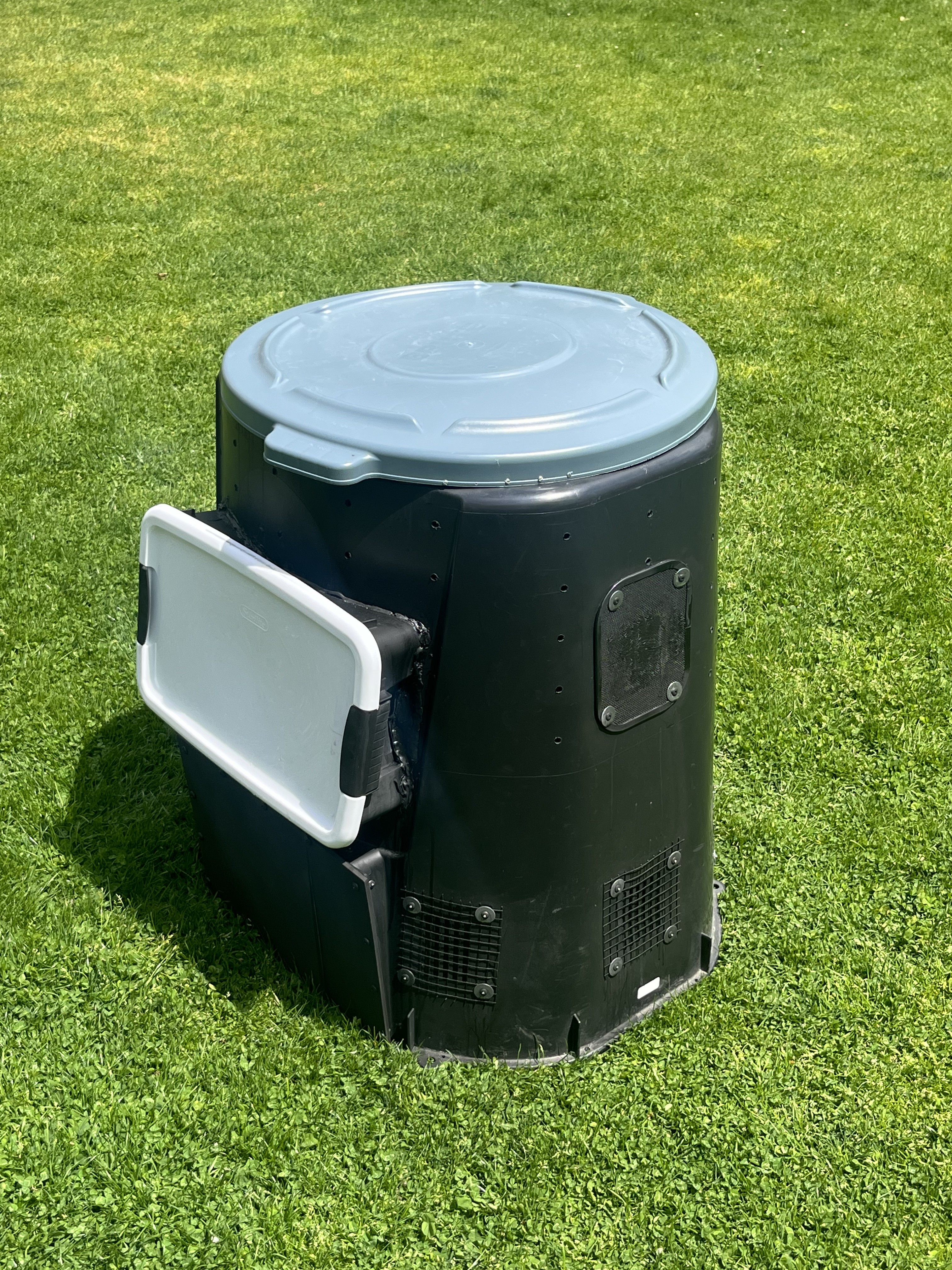
thank you to the composter team and all the TAs and professors for making this a reality!
Wooden threads were lasercut and screwed on
Overview
client
Stewart Martin,
Certified Urban Composter, Founder of Providence Gardenworks

my role
Conduct client interviews and user research
Ideate and prototype
Create final presentations and note engineering + user test results